

New here? IFD Field Notes is Inside Fashion Design’s monthly deep dive for independent designers & fashion pros. Each issue takes the month’s theme further than anywhere else we publish it. Past issues on color, materials, and research are all in the archive.
Welcome, Insiders, and welcome to everyone joining us for the first time. In this month’s Insights & Inspirations (found on our blog) we laid out the funding ladder: the five rungs most emerging brands climb, from bootstrapping to outside investment. Field Notes goes deeper. This issue is about the harder, more personal questions: why fashion brands run short of cash even when they’re selling, what each kind of money really costs you, and how to decide which rung is right for your brand right now.
IN THIS ISSUE
From Inside the Design Room: a real money moment from my career
The Fashion Cash Gap: why brands run short of cash even when they’re selling
Match the Money to the Job: which kind of funding fits which need
What Each Option Really Costs: the true price of equity, loans, grants, and pre-orders
Build Your Funder File: a checklist of the evidence every funder wants to see
Which Rung Is Right for You Right Now?: a stage-by-stage guide
Fashion History: the money behind Chanel, Dior, and the garment district
Your Monthly Business Systems Check-In: the 15-minute habit that keeps you funding-ready
Brand Spotlight: Bébéravi
Mindful Practice: a money date to replace money dread
Coming in November: Pricing & Profitability
From Inside the Design Room
Early in my career as an independent designer, I landed the kind of order every new brand dreams of: a swimwear order so big I couldn’t possibly fulfill it on my own.
So I did what you’re supposed to do. I invested. I spent $20,000 on fabric, and another big chunk on production. With a large order in hand and a delivery date to meet, I hired the support I needed: a fit model, a pattern maker, and a production manager.
And it worked. We delivered. Most of the order shipped and was paid for. But a portion went to a retailer I trusted, on terms that they would pay on receipt of delivery.
After they received their order, I never heard from them again. I called, and called, and called. No answer (this is pre- email). Finally, I took a road trip to their shop to sort it out in person. When I arrived, the store was closed. Completely abandoned. No sign of life.
I was left short on paying some of the people I had hired, and out several thousand dollars.
Here’s what I understand now that I didn’t then: I didn’t have a sales problem. I had a cash-flow problem. Every dollar I’d spent went out months before the money came in, and I had no protection if a customer didn’t pay. That gap between paying for your product and getting paid for it is where so many good brands get into trouble. It’s exactly what this issue is about.
If I could go back, I’d ask for a deposit from a new account, check their references before shipping, and think about how I was financing that order before I said yes. Not because big orders are bad, but because a big order is also a big risk you’re carrying until the last invoice is paid.

The Fashion Cash Gap
Here’s the thing most new designers don’t see coming: in fashion, you pay for your product long before anyone pays you for it. That gap between money out and money in is where brands stall, even brands with real demand.
Walk through a typical small production run, and you’ll see it:
Sampling and development. Patterns, samples, fittings, and revisions. All paid out of pocket, often months before you have anything to sell.
Fabric and trims. Mills and suppliers usually have minimums and want payment up front or on order, especially for new customers.
Production deposit. Many factories ask for a significant deposit before cutting, often a third to half of the order, with the balance due before your goods ship.
Shipping, duties, and receiving. More cash out, and still nothing coming in.
Selling. Direct-to-consumer sales trickle in over weeks or months. Wholesale is slower still: retailers commonly pay on terms of 30 to 60 days after delivery.
Add that up, and a brand can easily be five to nine months from first sample to first real revenue on a collection. And by the time that money arrives, you’re already paying for the next season. This is why “we’re selling well, but we’re always broke” is one of the most common things I hear from designers. It’s not a failure. It’s the business structure.
Understanding the gap changes the funding question. You’re usually not asking “how do I get money?” You’re asking “how do I connect this specific gap, for this specific season, without giving away more than I need to?”
Match the Money to the Job
The most expensive funding mistake isn’t choosing the wrong source. It’s using the right source for the wrong job. Each kind of money has a job it does well and a job it does badly:
Your own savings and sales
Best used for: Testing your idea, first samples, small first runs
Be careful using it for: Anything that puts your household finances at real risk
Pre-orders and crowdfunding
Best used for: Funding a specific production run with proven demand
Be careful using it for: Products you haven’t fully costed or can’t deliver on time
Grants and competitions
Best used for: One-time investments: equipment, certifications, a website, a sampling round
Be careful using it for: Ongoing costs like payroll or rent, since the money doesn’t repeat
Microloans and community lenders
Best used for: Inventory and working capital when sales are predictable
Be careful using it for: Covering losses on a product that isn’t selling
Invoice or purchase-order financing
Best used for: Fulfilling wholesale orders you’ve already secured
Be careful using it for: Very small orders, where the fees eat your margin
Angel and impact investment
Best used for: Scaling a model that already works
Be careful using it for: Figuring out what your product is
A simple rule of thumb: match the length of the money to the length of the need. Short-term gaps (a production run, a wholesale order) call for short-term money. Sustained development calls for long-term money. When those get mixed up, cash-flow crises follow.
What Each Option Really Costs
Every kind of funding has a price, even the “free” kinds. Before you apply for anything, get clear on what you’re really paying:
Equity is the most expensive money you’ll ever take. Here’s an illustration: if you give up 20% of your brand for $50,000 and the business is later worth $1 million, that stake is worth $200,000. You’re also taking on a partner with opinions and expectations. Sometimes that’s exactly right. Just know the real number.
Loans cost interest and a fixed obligation. A loan’s real cost isn’t only the rate. It’s the monthly payment that’s due whether you had a good month or not. Before borrowing, make sure your slowest month can still cover it.
Grants cost time. A strong application can take 10 to 20 hours or more, and most applicants don’t win. That’s still often worth it, but treat applications like a pipeline, not a lottery ticket. Reuse your best answers and track what you submit.
Pre-orders cost trust. Your customers are lending you money by paying early. Miss your delivery date without communicating, and you pay for it in reputation. Crowdfunding platforms also take a percentage in platform and payment fees, so build that into your goal.
Invoice financing costs margin. You receive most of your wholesale invoice right away, in exchange for a percentage fee. That can be a blessing, but only if your margins can absorb it.

Build Your Funder File
Here’s the most practical thing you can do this month, no matter what rung you’re on. Assemble a “funder file”: a single folder with the evidence every grant panel, lender, and investor wants to see. When an opportunity appears with a two-week deadline, you’ll be ready instead of scrambling.
Your Funder File Checklist
Cost sheets for every style: materials, trims, labor, packaging, shipping, and duties.
Margin calculations showing your cost, wholesale price, and retail price for each style.
A 12-month cash flow forecast. It doesn’t have to be perfect. It has to be honest and show the cash gap.
Proof of demand: sales to date, pre-orders, a waitlist, wholesale interest, or event sales.
A clear use-of-funds breakdown: exactly what the money would pay for and what it would make possible.
Your impact story, with numbers: artisans employed, certified or deadstock materials used, waste avoided. For conscious brands, this is a genuine competitive advantage with grant panels and impact investors.
A one-page brand summary and a few strong product images.
Which Rung Is Right for You Right Now?
Use your stage, not your ambition, to decide where to focus:
If you’re pre-launch or still developing product
Focus on your own funds, small grants, and competitions that don’t require revenue. Your real goal right now is evidence: get samples in front of real customers. Resist outside investment. You’d be giving away equity at the lowest possible value, before you know what you have.
If you’re making your first sales
This is the pre-order and crowdfunding stage. Use demand to fund production, and consider a 0% community loan like Kiva for a specific, well-defined need. Start applying for the rolling monthly grants that welcome early-stage businesses.
If you have steady sales and some wholesale accounts
Now microloans, invoice financing, and larger grants open up, and many of the bigger awards specifically require a revenue track record. Your funder file becomes your most valuable asset.
If you’re ready to scale a model that works
This is where outside investment and the major industry funds make sense. Go in knowing your numbers cold, and know what you’re willing to give up.
[BRITTA: Optional. A sentence or two of your own perspective here: the most common stage mismatch you see, such as designers pitching investors before they have a costed product.]
Fashion History: The Money Behind the Maisons
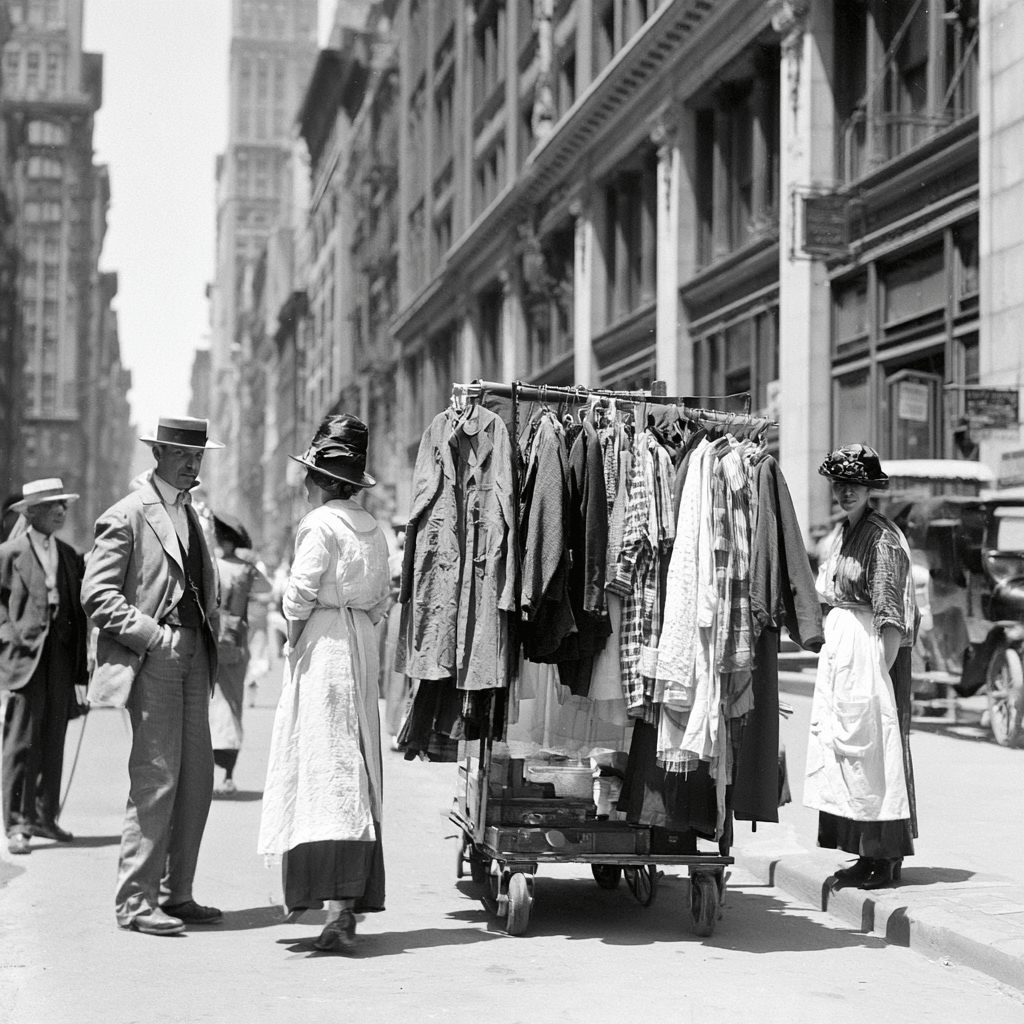
We tend to remember the great fashion houses as pure acts of creative genius. But nearly every one of them also had a financing story, and most of them looked a lot like the rungs we’ve been talking about.
Coco Chanel opened her first Paris millinery shop in 1910 with financial backing from Arthur “Boy” Capel, a businessman and her companion. It was essentially a personal loan from someone who believed in her. She reportedly paid him back as her business grew. That was the ladder’s first rungs: personal backing, then self-funding from sales.
Christian Dior launched his house in 1946 with the backing of Marcel Boussac, one of France’s leading textile industrialists. Boussac didn’t invest because of fashion sketches alone. He invested because he understood that a successful couture house would drive demand for fabric. The backer understood the supply chain, and the deal made sense for both sides.
New York’s garment district ran for generations on “factors”: specialist financiers who advanced cash against wholesale invoices so manufacturers could buy fabric for the next season before retailers paid for the last one. The system was built entirely around the fashion cash gap, and versions of it are still in use today.
The lesson: fashion has always been financed by people who understood how the business actually works. That’s still true. The funders most likely to back you understand fashion’s cash cycle, and your job is to show them you do too.
This month’s printable tool is the habit that keeps your funder file up to date. Once a month, take 15 minutes to review your costs, cash position, sales, and goals. Over time, it gives you something most small brands never have: a record of your numbers that you can hand to any funder with confidence.
How to use it for funding readiness:
Update your cash flow forecast every month and note where the gap is widest.
Track which styles are earning their margin and which aren’t.
Keep a running list of funding deadlines relevant to your stage.
Budget Calculator Sheet here
Brand Spotlight: Bébéravi/Siamanda Collectif
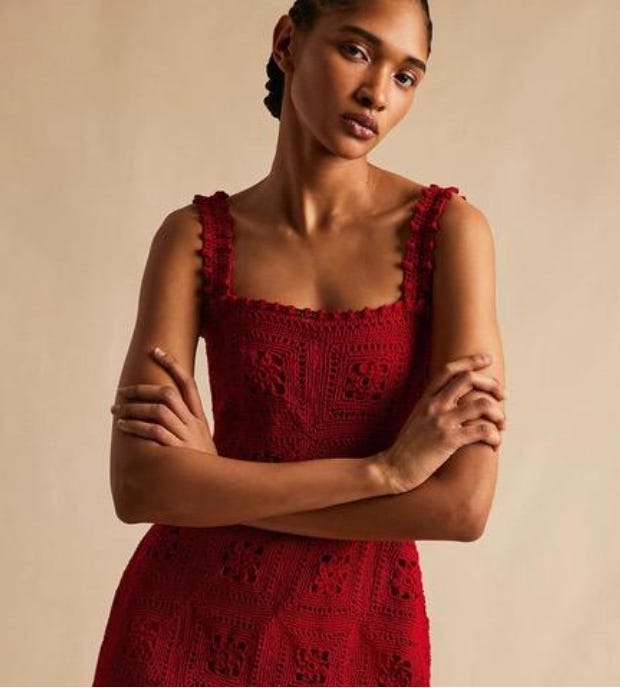
This month’s spotlight is a brand that built impact into its business model from day one. Bébéravi was founded by Siamanda Chege, a former fashion model, after she returned to her homeland of Kenya and saw personally the lack of employment opportunities for women. Rather than start a charity, she chose to build a for-profit enterprise that could generate lasting work.
Bébéravi employs women artisans in Kenya to create meticulously handcrafted pieces, including hand-knitted and crocheted children’s garments, clothing, and home decor, for an international market. Over the years, high-end retailers including Barneys, Bergdorf Goodman, and ABC Carpet & Home have carried the brand's work, and Siamanda has collaborated with designers including Oscar de la Renta. Today she continues that mission through Siamanda Collectif, working alongside women artisans globally.
Why it belongs in a funding issue: Bébéravi proves what we discussed above. When impact is built into how a business makes money, it becomes part of what makes the brand compelling to customers, retailers, and partners alike.
“Siamanda Collectif Consulting focus on one thing: helping women move from production to actual market participation, where income becomes predictable and scalable. Our work bridges this gap by aligning production, pricing, and quality with real demand.”
https://siamandacollectif.com/
Mindful Practice

A Money Date, Not Money Dread
Here’s something I see all the time: talented designers who will spend hours perfecting a seam but can’t bring themselves to open their bank statement. If that’s you, you’re not bad with money. You’re human. The anxiety of not knowing is almost always heavier than the numbers themselves, and the only way through is gentle, regular contact.
So this month, instead of another task on your list, try turning your monthly Business Systems Check-In into a ritual:
Set a date. Same day, same time each month. Put it on your calendar like a client meeting, because it is one: you’re the client.
Make it pleasant. Your favorite tea, a candle, good music, the nicest corner of your studio. Your body learns what this time feels like.
Take three slow breaths before you open anything. In through the nose, out longer than you breathed in.
Name the fear. Write down, in one sentence, what you’re afraid you’ll find. Seeing it on paper takes away some of its power.
Look at just one number first. Your bank balance is enough. Then add the next. You can build up to the full check-in over a few months.
Close with one win and one action. Note one thing that’s working, and choose one small step for the month ahead. Then close the laptop.
Over time, your numbers stop being a monster under the bed and become what they really are: information that helps you make better decisions for your brand.
Further reading:
The Do Lectures’ short piece “Money. Ignoring It Is Not A Strategy.” is written for creative people and treats financial health like physical fitness: a simple regimen you keep up in good times and bad.
https://thedolectures.com/thoughts-and-opinions/money-ignoring-it-is-not-a-strategy/
On my bookshelf:
I Will Teach You to Be Rich by Ramit Sethi. It’s a personal finance book rather than a business book, but that’s exactly why I recommend it. When your personal finances are steady, you make calmer, clearer decisions for your brand. My favorite idea in it is the “Conscious Spending Plan”: spend extravagantly on the things you love and cut ruthlessly on the things you don’t. Conscious spending, conscious fashion. It’s the same mindset.

This issue contains an affiliate link. If you buy through it, IFD may earn a small commission at no extra cost to you.
Coming in November: Pricing & Profitability
Every funder you ever speak with will ask about your margins. Next month, we’re going deep on pricing: how to cost fully, how to price for both wholesale and direct sales, and how to stay profitable through the Black Friday season without discounting your brand into the ground.
Until then, start your funder file. Even one completed cost sheet puts you further up the ladder than you were last month.
Found this useful? Field Notes is free. Subscribe so you don’t miss November’s pricing issue, and forward this to a designer friend who’s trying to figure out how to fund their brand.
Happy Conscious Creating!
Britta
Britta Cabanos
Founder, Inside Fashion Design. Fashion Concierge Services

Questions or ideas for a future issue? design@insidefashiondesign.netc
